How Electoral Flaws Are Stalling Urgent Climate Action
June 21, 2024,
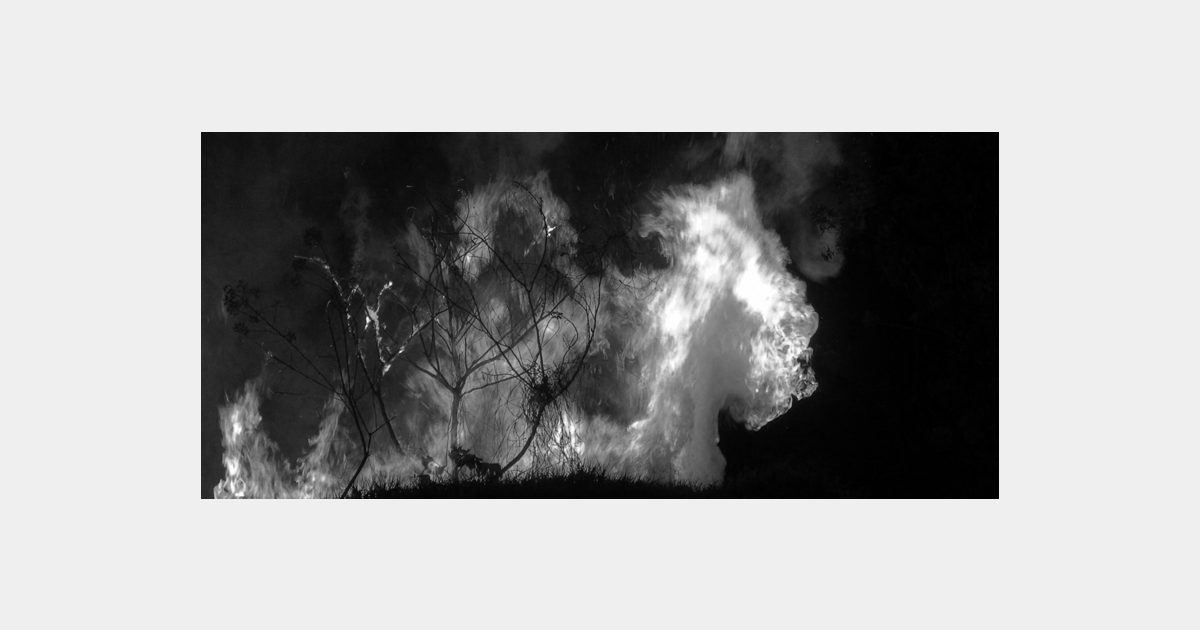
May 2024 was just revealed to be the twelfth straight month of record-breaking high temperatures. In January, 2023 was marked as the hottest year ever recorded. However, that only meant that the calendar year was the hottest on record overall, with a majority of the months setting new temperature records. This new record is even more concerning, as it reflects a streak of continually hot temperatures, with every month setting a new temperature record. In light of this recent news, UN Secretary-General António Guterres called out several fossil fuel corporations for deceiving the public and demanded that countries engage in rapid political action regarding climate change and “clampdown” on the fossil fuel industry.
The majority of Americans not only believe in climate change but also believe that strong action needs to be taken. In fact, according to a Pew Research poll, ⅔ of US adults believe that the country should prioritize developing renewable energy sources over expanding the production of fossil fuels––so why hasn’t anything happened? Why does our country refuse to protect our planet? And why are some states simply going backward?
The root of it is our flawed election system. A majority of Americans desire rapid action, but the makeup of Congress does not reflect this. Instead, anti-environmentalists are vastly overrepresented––particularly in the Senate. The Senate is a vote of states, with each state getting two votes; states tend to be weaker on environmental policies compared to the average American. This results in legislators blocking progress on climate change, even if that is not what the majority of the population wants. If representation were proportional, and seats were allocated based on the percentage of votes, representation in Congress could reflect the population’s values, and laws reflecting the people’s will could be passed.
Weak federal laws protecting the environment also allow states to pursue their own anti-environmental policies. Just a few weeks ago, Florida Governor Ron DeSantis signed a law that essentially deletes climate-related requirements; the Florida government will no longer be required to consider climate change when crafting laws, and state agencies will no longer be required to consider climate-friendly products. Not only does this new bill directly go against what the majority of the state wants (as a recent survey found that 69% of Floridians support state action to stop climate change), but it also reflects the effects of a lack of environmentally friendly laws at the federal level. Federal law trumps state laws, and if Congress better reflected the population’s values through proportional representation, federal laws protecting the environment would be stronger and more aligned with public opinion, preventing states from rolling back climate protections against the will of their citizens.
Furthermore, a large part of the reason for the lack of legislation can be attributed to anti-environmentalist presidents who lost the popular vote. In 2000, George W. Bush won the presidency over Al Gore, despite Gore winning the popular vote. Gore was especially known for his policies on combating climate change; Bush, on the other hand, quickly pulled the United States out of the Kyoto Protocol, an international treaty that called for nations to reduce greenhouse gas emissions, within the first year of his presidency and undid much of the moderate progress that had been made under the preceding administration (when Gore had been Vice President). This phenomenon repeated itself when Trump won the 2016 presidential election despite losing the popular vote. He withdrew from the Paris Agreement, another international accord seeking to mitigate climate change, and undid much of the moderate progress made during the Obama administration. The Electoral College, by granting the presidency to candidates that lost the popular vote, inherently promotes anti-environmentalist policies. Additionally, the focus on swing states, which lean anti-environmentalist compared to the national average, forces all presidential candidates to downplay or oppose environmentally solid policies. These presidents also appoint federal judges, including Supreme Court justices, who hold anti-environmentalist views, resulting in court rulings that hinder the progress on environmental issues that most Americans want.
It is imperative we abolish the Electoral College and establish proportional representation in Congress––it is the only way to save our planet.